
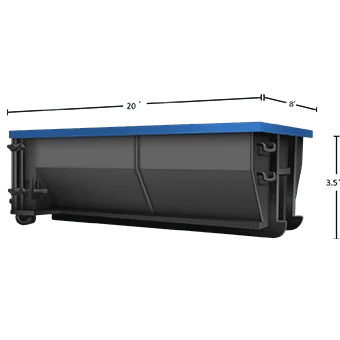
Check the vehicle operation
A roll-off container needs more than a rectangle of empty ground. The delivery vehicle must approach, position and remove it using an appropriate working area. Send photographs of the entrance, overhead space and proposed location for assessment before treating that position as confirmed.
Discuss the supporting surface and any protection the property owner requires. Do not place the container where its loading door, if used, would open into a main pedestrian route or where stored material will later block pickup.
Control what goes into the load
Confirm accepted materials and any separation requirements before work begins. Tell everyone loading the container what belongs in it and what must be kept out. Ask how the provider defines the permitted fill level and weight allowance.
Heavy debris can reach a weight limit before the container looks full. Explain the project materials when requesting a size recommendation, and ask whether a different container or separate load is appropriate for dense waste.
Schedule exchanges before the route closes
For a continuing project, estimate when the container may need emptying or replacement and ask about the exchange process. Keep access available for the agreed vehicle visit. If the job changes, request updated timing and terms rather than assuming collection can happen immediately.
Where toilets and a container share a site, preserve independent approaches to both. A practical waste position should not remove the route needed for restroom servicing or create a hazard for users.
Questions before you book
Can a roll-off go under trees or cables?
The delivery team must assess overhead clearance for the operation, not just the final container height. Share the conditions in advance.
What if the container fills before the project ends?
Request an exchange or additional arrangement, subject to scheduling and availability. Confirm the charges and materials before loading continues.