
Start with the site entrance
For a confined Seattle project, the street address alone rarely describes the receiving point. Identify the entrance the delivery vehicle should use and the person who can release a gate or clear the approach. Mention overhead restrictions and changes in level before a placement is arranged.
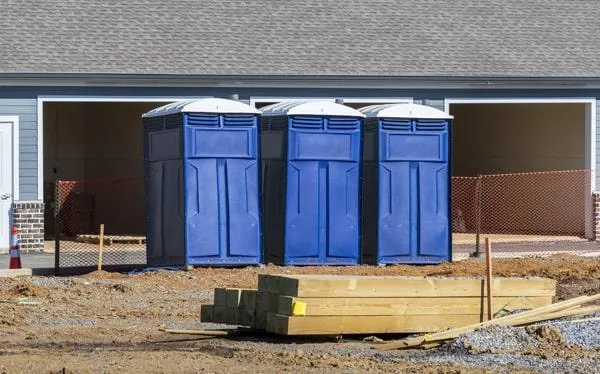
Mark a proposed toilet position outside the path of moving equipment and material deliveries. Workers need a reasonable route to it during their shift, while the service vehicle needs a usable approach on subsequent visits. Treat both journeys as part of the layout.
Account for a changing work zone
The best location during demolition may become unsuitable when scaffolding, fencing or stored materials arrive. Build a review into the work schedule at major phase changes. Request a relocation through the rental team; do not drag a loaded unit across the site.
Give the expected number of people on the busiest shift, days worked and overlapping subcontractors. Update those details if the crew grows. Quantity and service frequency should be assessed together rather than preserving a low initial count while use rises.
Keep responsibility visible
Nominate a site contact for routine servicing, access problems and the final pickup. Record the expected rental end date, but allow for a clear extension procedure if the build runs longer. Confirm applicable workplace sanitation requirements with the responsible site manager.
Keep daily use and waste care in the same plan
A standard jobsite cabin stores waste in its own tank, so its position must remain reachable for pump-out as well as for workers. Include a separate wash station if usable soap-and-water facilities are not otherwise available. Select accessible provision for the actual users and route.
Ask the quotation to specify pumping, cabin cleaning, paper and washing supplies, then assign the supervisor a check between visits. Increased shifts or a blocked approach can require a revised care plan. Include delivery, any approved moves, additional visits and final collection in the scope; none should depend on a route that the next work phase removes.
Questions before you book
Can a toilet stand in the street beside the project?
Street or sidewalk placement needs a separate location and authorization assessment. Do not treat a private-property equipment order as permission to occupy public space.
What should I send with a quote request?
Include the project address, entrance photo, crew size, shifts, expected duration and proposed toilet position.